



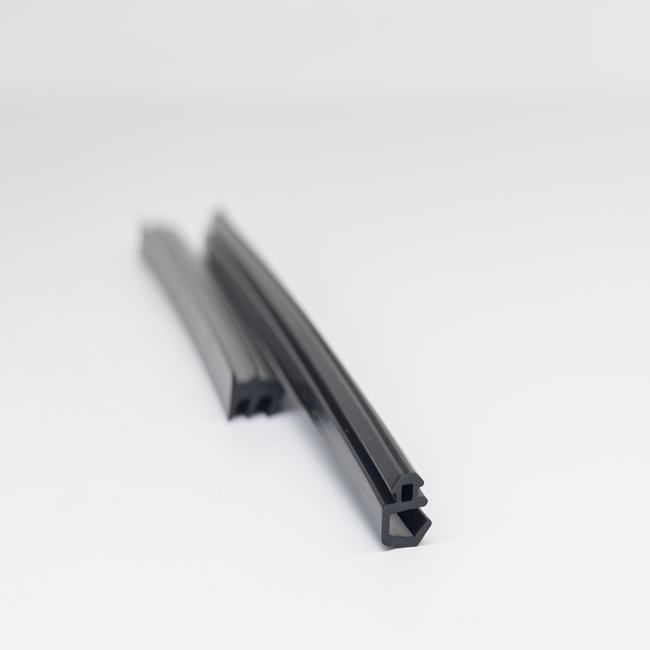
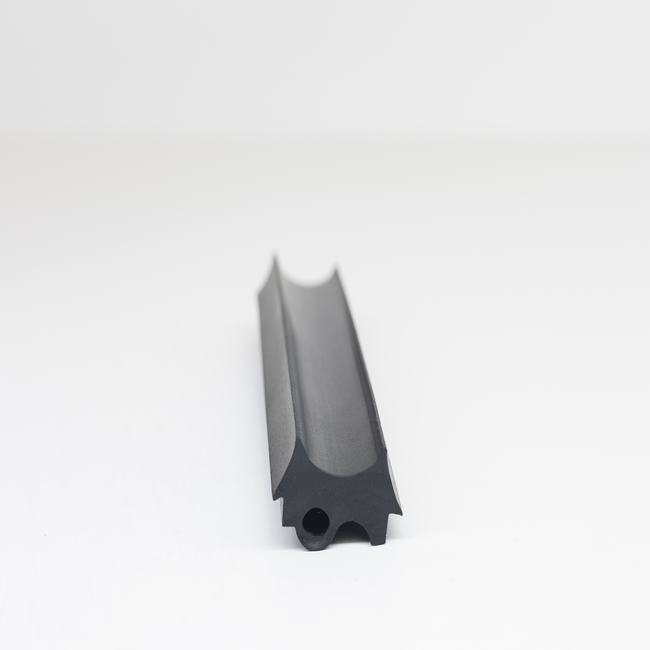
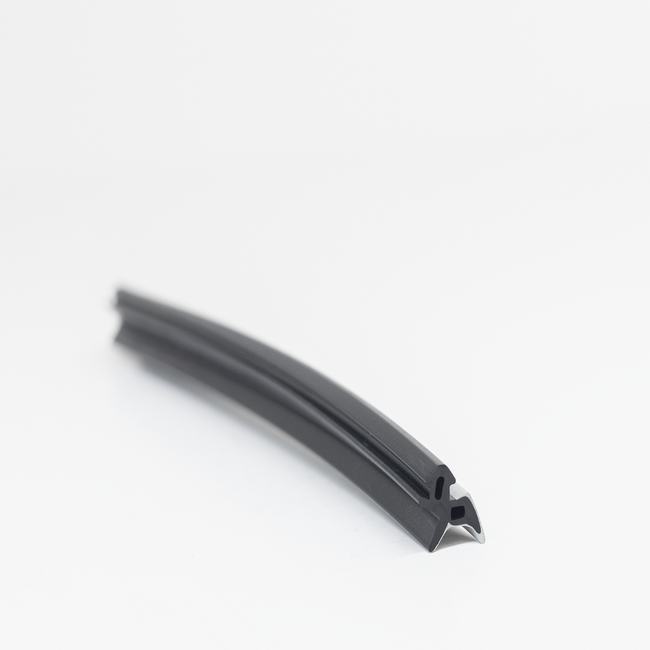
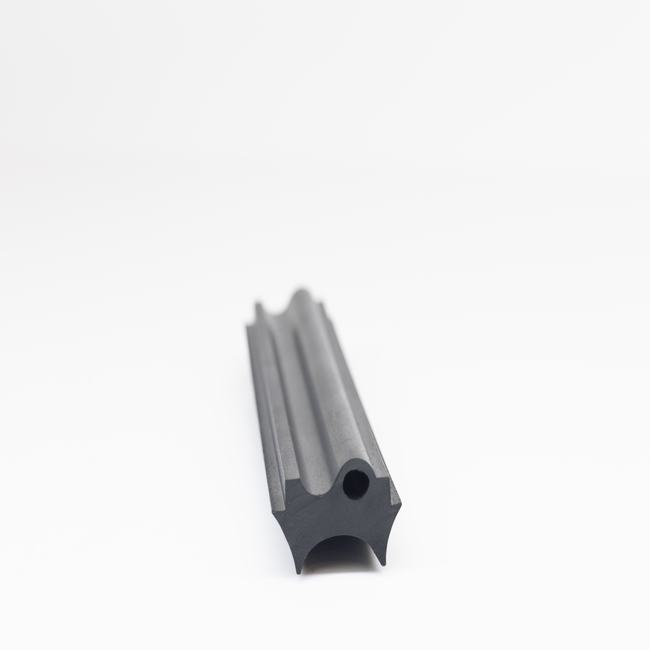
Wooden door and window seals are essential components for maintaining energy efficiency and preventing drafts in homes or buildings with wooden frames.
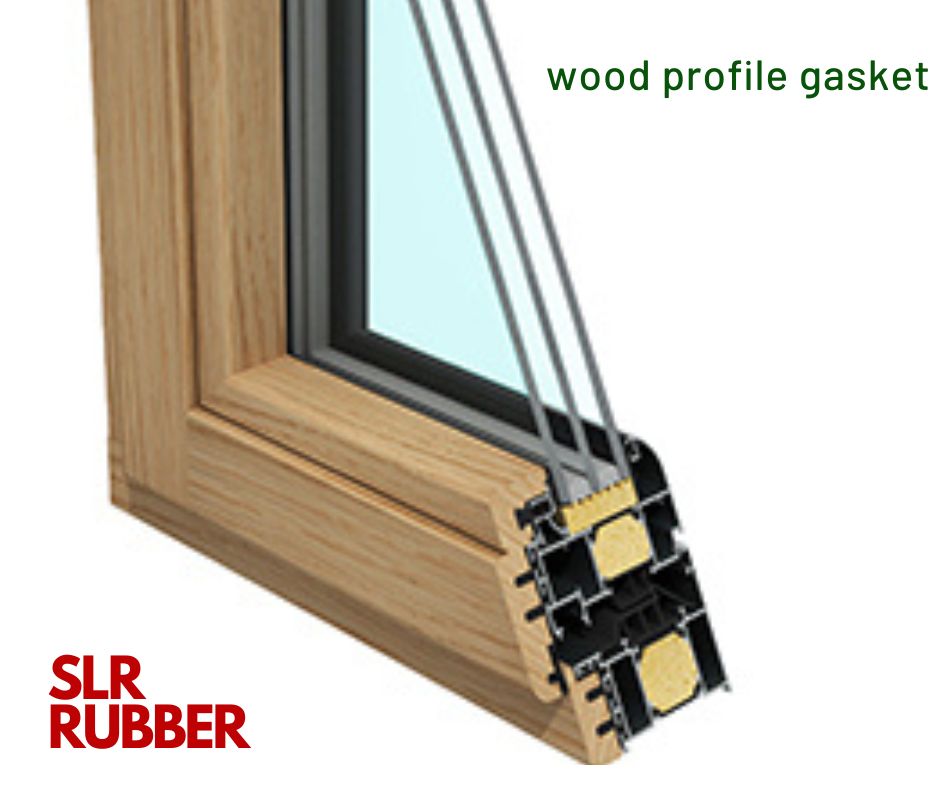
Wooden door and window seals are essential components for maintaining energy efficiency and preventing drafts in homes or buildings with wooden frames. These seals serve to fill the gaps between the door or window and the frame, thereby preventing air leakage, reducing noise transmission, and enhancing insulation. Here's an overview of some common types of wooden door and window seals:
-
Weather Stripping: Weather stripping is one of the most common types of door and window seals. It typically consists of a strip of material, such as rubber, foam, or felt, attached to the door or window frame. When the door or window is closed, the weather stripping compresses to form a seal, preventing drafts and moisture from entering.
-
Door Sweeps: Door sweeps are installed along the bottom edge of doors to seal the gap between the door and the threshold. They usually consist of a flexible strip of material, such as rubber or bristles, that brushes against the floor when the door is closed, creating a barrier against drafts, dust, and insects.
-
Thresholds: Thresholds are horizontal strips installed at the base of doorways to create a transition between rooms and seal the bottom of the door. They are often made of wood, metal, or composite materials and help to block drafts and moisture from entering under the door.
-
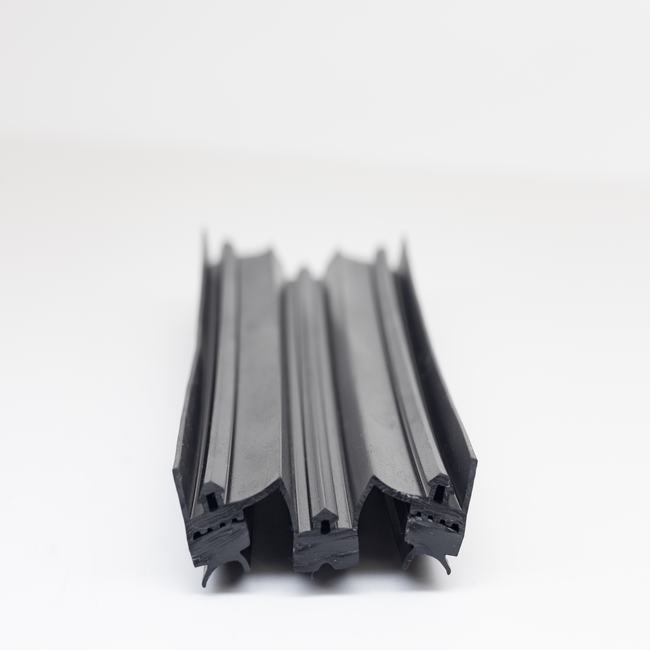
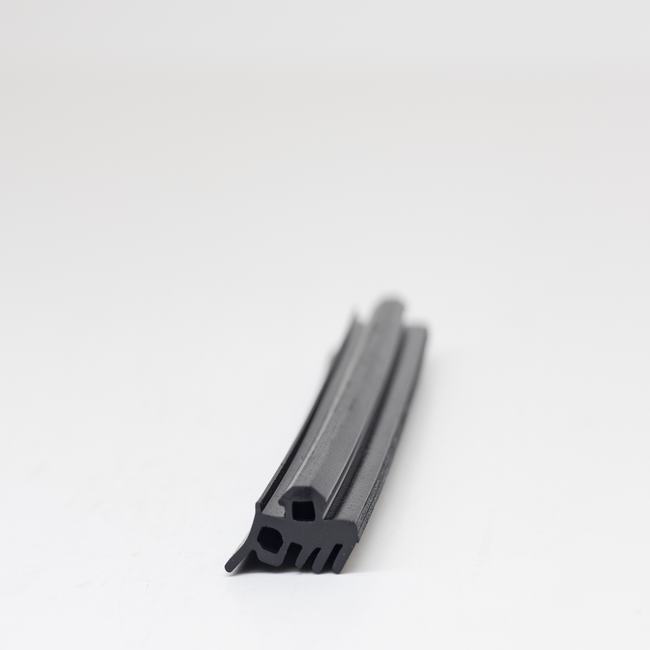
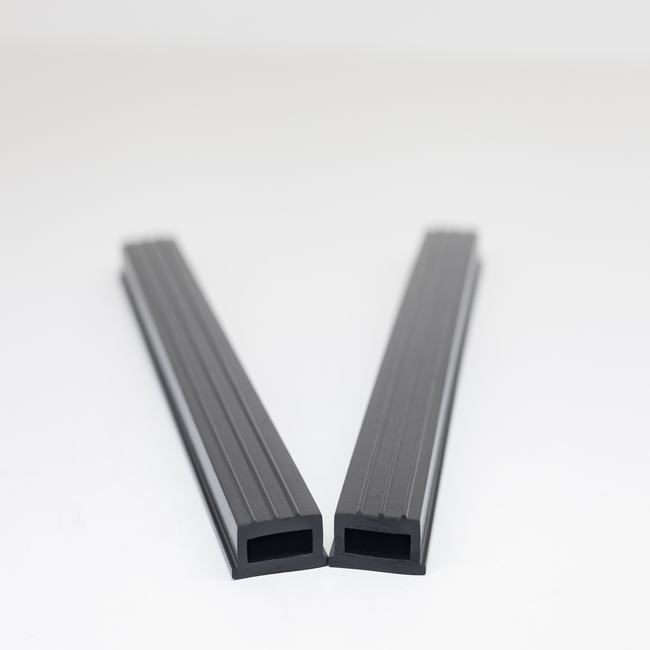
Window Gaskets: Window gaskets are strips of rubber or foam that are inserted into the channels around the perimeter of windows to create a tight seal when the window is closed. They help to prevent air and water infiltration, reduce noise, and improve energy efficiency.
-
Draft Excluders: Draft excluders, also known as draft stoppers or draught excluders, are flexible seals that can be attached to the bottom or sides of doors and windows to block drafts. They are often made of fabric or foam and are designed to compress against the door or window frame to create a seal when closed.
-
Caulking and Sealants: In addition to traditional seals and gaskets, caulking and sealants can also be used to fill gaps and cracks around doors and windows. These products are applied in a liquid form and harden to create a durable seal that prevents air and moisture infiltration.
When choosing wooden door and window seals, it's essential to consider factors such as the size and shape of the gaps, the material of the door or window frame, and the desired level of insulation and weatherproofing. Additionally, regular inspection and maintenance of seals are crucial to ensure optimal performance and energy efficiency over time.