





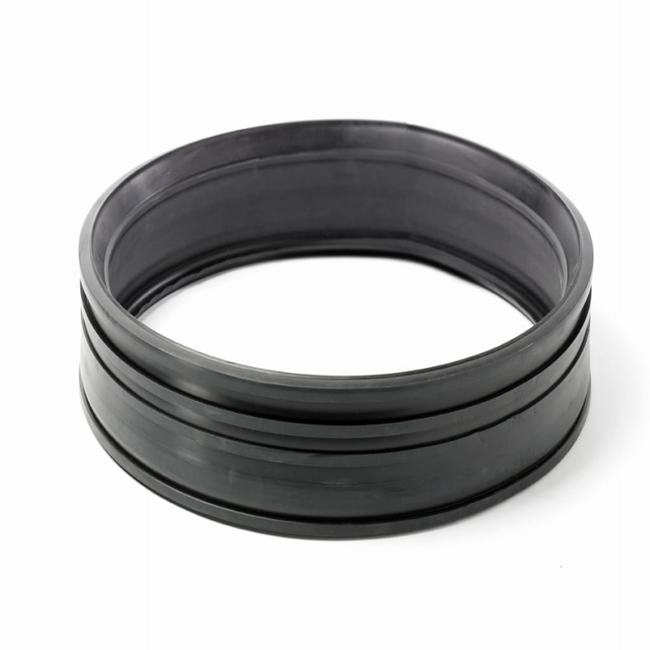


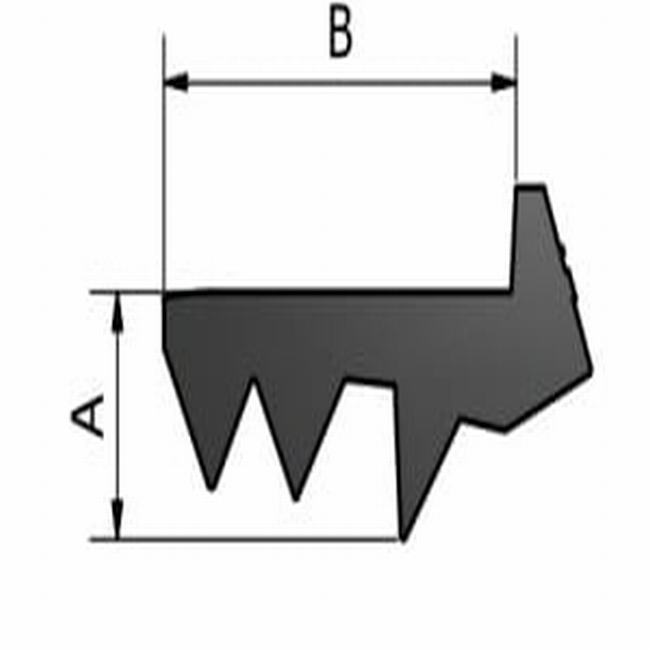
Infrastructure gaskets are essential components used in various industries, particularly in construction, plumbing, and engineering.
Infrastructure gaskets are essential components used in various industries, particularly in construction, plumbing, and engineering. These gaskets serve as sealing materials to prevent leakage of fluids or gases between two mating surfaces, ensuring the integrity and efficiency of the infrastructure.
Here are some key points about infrastructure gaskets:
-
Material: Infrastructure gaskets are typically made from a variety of materials such as rubber, silicone, cork, fiberglass, graphite, or metal. The choice of material depends on factors like the application, temperature, pressure, and chemical compatibility.
-
Types: There are different types of gaskets designed for specific applications. These include:
- Flange gaskets: Used in piping systems to create a seal between two flanges.
- Valve gaskets: Used in valves to prevent leakage.
- Heat exchanger gaskets: Used in heat exchanger units to prevent heat loss or leakage.
- Electrical enclosure gaskets: Used to seal electrical enclosures to prevent dust, moisture, and other contaminants from entering.
- Manhole gaskets: Used in manholes to prevent leakage of liquids or gases.
- Expansion joint gaskets: Used in expansion joints to allow movement while maintaining a seal.
-
Functions: Infrastructure gaskets serve several important functions:
- Sealing: Their primary function is to create a tight seal between two surfaces to prevent leakage.
- Cushioning: Gaskets can also provide cushioning and insulation, reducing vibrations and noise transmission.
- Corrosion resistance: Some gasket materials are resistant to corrosion, enhancing the longevity of the infrastructure.
- Temperature and pressure resistance: Gaskets are designed to withstand a wide range of temperatures and pressures depending on the application.
-
Installation and Maintenance: Proper installation and maintenance of gaskets are crucial for ensuring their effectiveness and longevity. This includes ensuring proper alignment, torqueing of bolts, and periodic inspection for wear and tear.
-
Applications: Infrastructure gaskets find applications in various industries, including oil and gas, chemical processing, power generation, water treatment, HVAC systems, automotive, aerospace, and marine sectors.
In essence, infrastructure gaskets play a vital role in maintaining the integrity, safety, and efficiency of various infrastructure systems by preventing leaks and ensuring proper sealing between mating surfaces.