



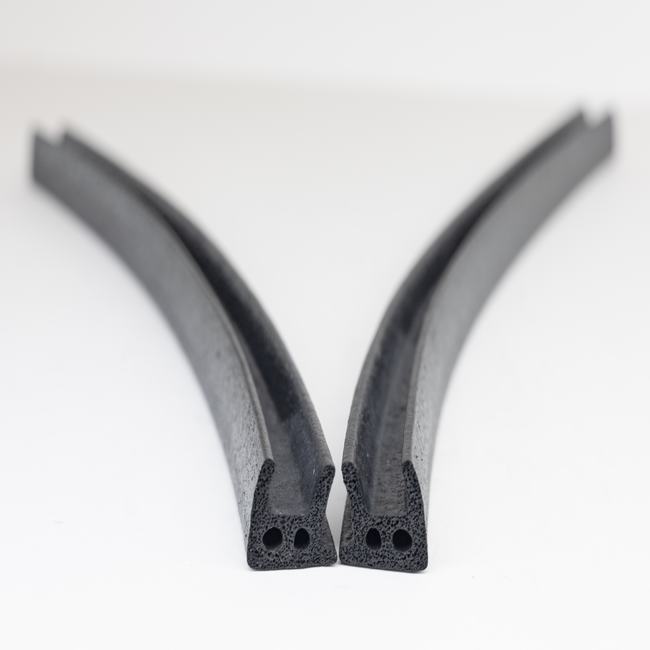
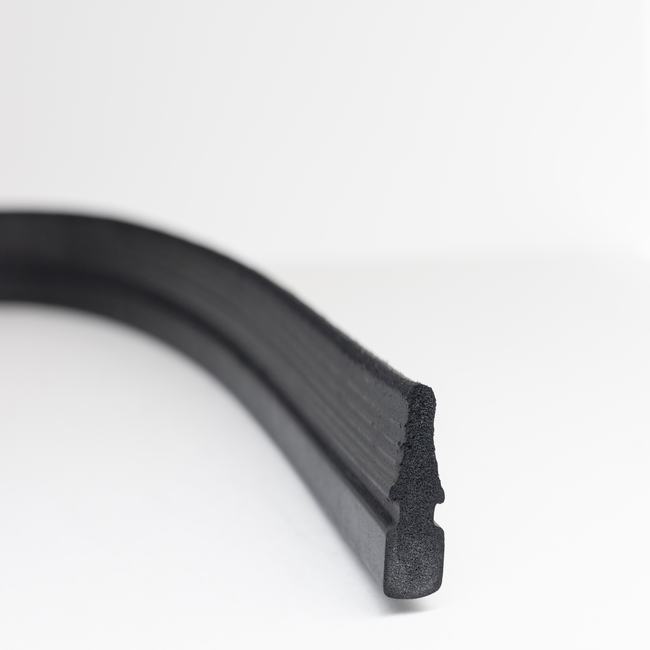
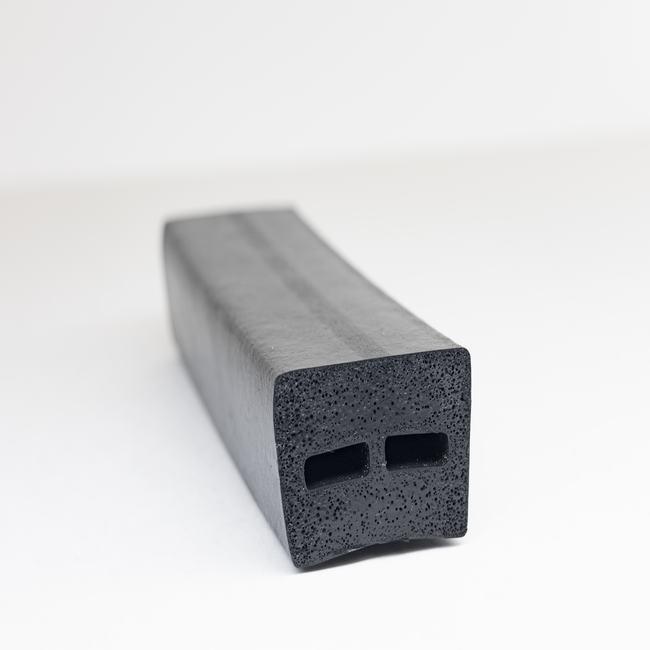
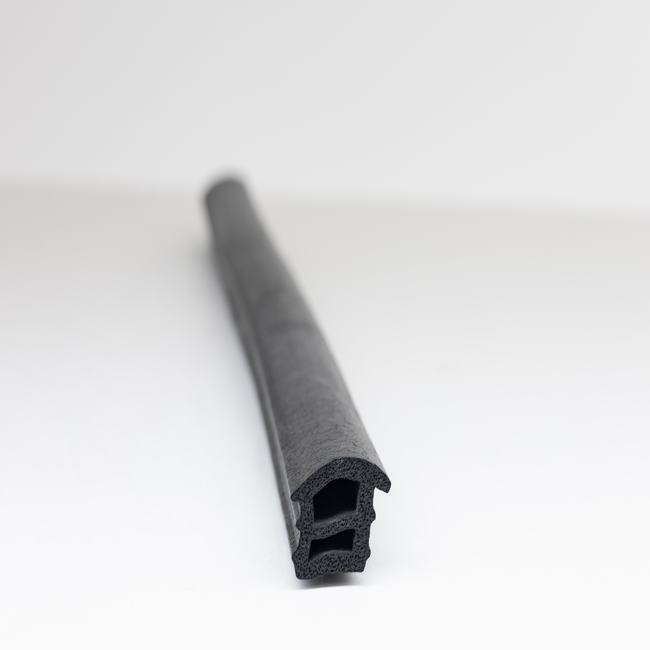
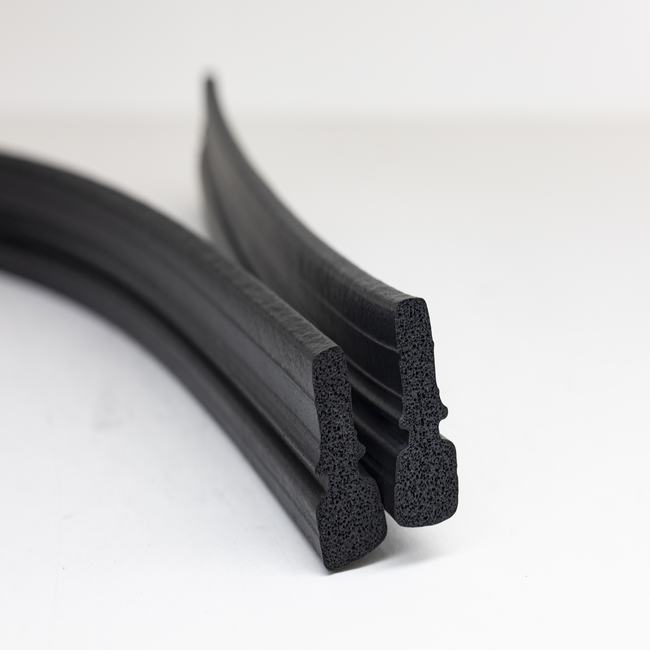
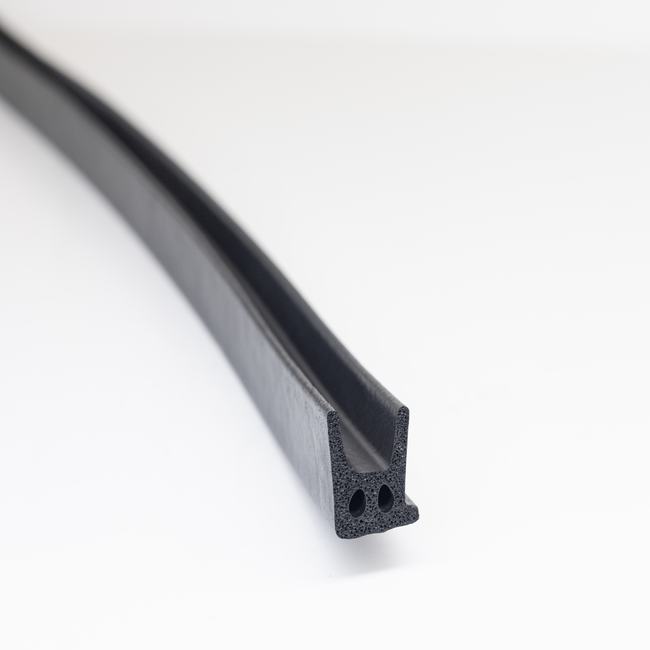
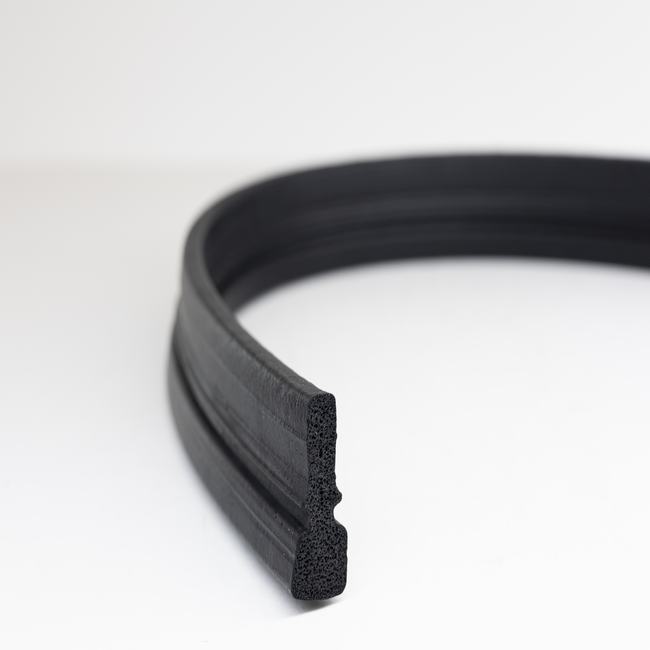
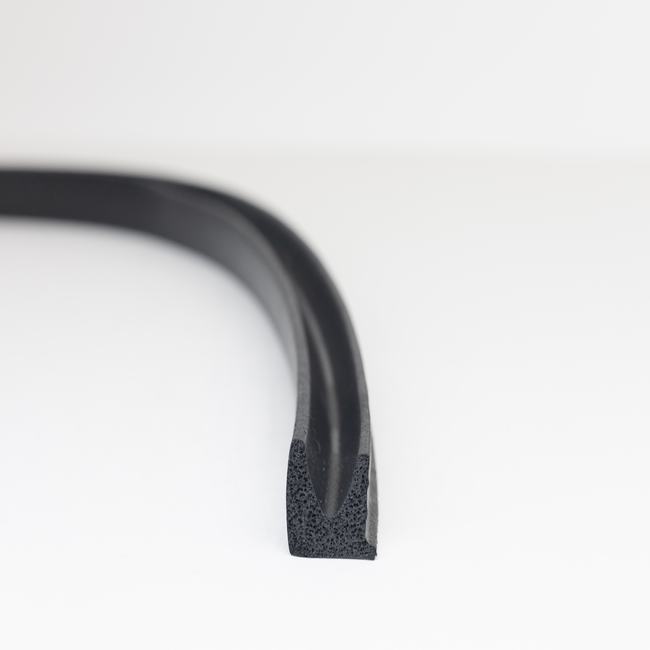
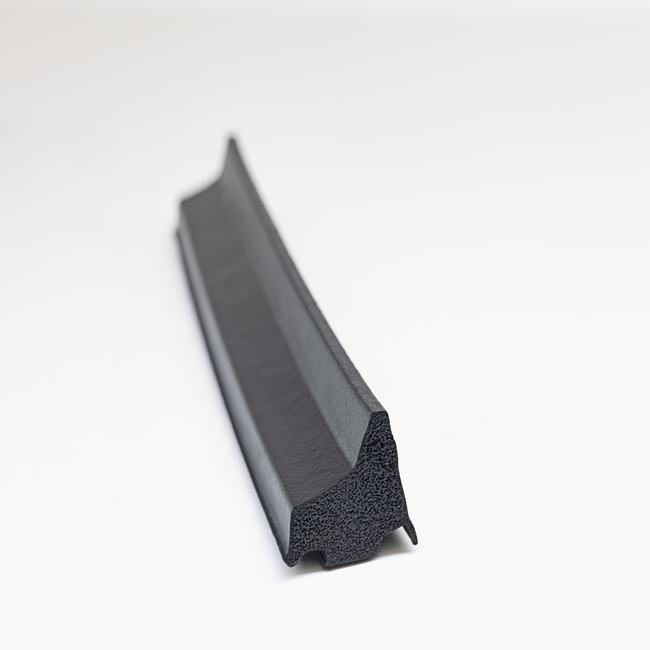
Industrial seals are essential components used in various machinery and equipment to prevent leakage, contamination, and the ingress of foreign substances into critical parts.
Industrial seals are essential components used in various machinery and equipment to prevent leakage, contamination, and the ingress of foreign substances into critical parts. These seals are designed to maintain the integrity of the system by creating a barrier between different media, such as fluids, gases, or even solid materials, depending on the application. They play a crucial role in ensuring the efficient and reliable operation of industrial equipment across a wide range of sectors, including manufacturing, automotive, aerospace, oil and gas, pharmaceuticals, and more.
There are different types of industrial seals, each tailored to specific operating conditions and requirements:
-
O-rings: These are one of the most common types of seals and are typically used in static and dynamic applications. O-rings are circular elastomeric seals that fit into grooves and create a compression seal between two mating surfaces.
-
Gaskets: Gaskets are flat seals used to fill the space between two or more mating surfaces to prevent leakage. They are commonly made from materials such as rubber, cork, paper, or metal.
-
Lip seals: Also known as oil seals or radial shaft seals, lip seals are used to prevent the leakage of lubricants and other fluids in rotating shaft applications. They consist of a flexible lip that seals against the shaft surface.
-
Mechanical seals: Mechanical seals provide a dynamic sealing solution for rotating equipment such as pumps, compressors, and mixers. They typically consist of two flat surfaces pressed together using a combination of mechanical force and secondary seals to prevent leakage.
-
Diaphragms: Diaphragm seals are flexible barriers used to separate two chambers while allowing for the transmission of pressure or displacement between them. They are commonly used in pressure sensing and control applications.
-
Bellows seals: Bellows seals are used in applications where there is axial movement or misalignment between mating components. They consist of a flexible bellows element that accommodates movement while maintaining a seal.
-
V-ring seals: V-ring seals, also known as V-rings or Vee-packing, are used for sealing rotating or reciprocating shafts. They are typically made from elastomeric materials and are designed to provide effective sealing in dynamic applications.
Industrial seals are manufactured from a variety of materials, including rubber, silicone, polyurethane, PTFE (Teflon), metals, and composites, selected based on factors such as temperature, pressure, chemical compatibility, and operating conditions. Proper selection, installation, and maintenance of seals are crucial for ensuring optimal performance and extending the service life of industrial equipment.