



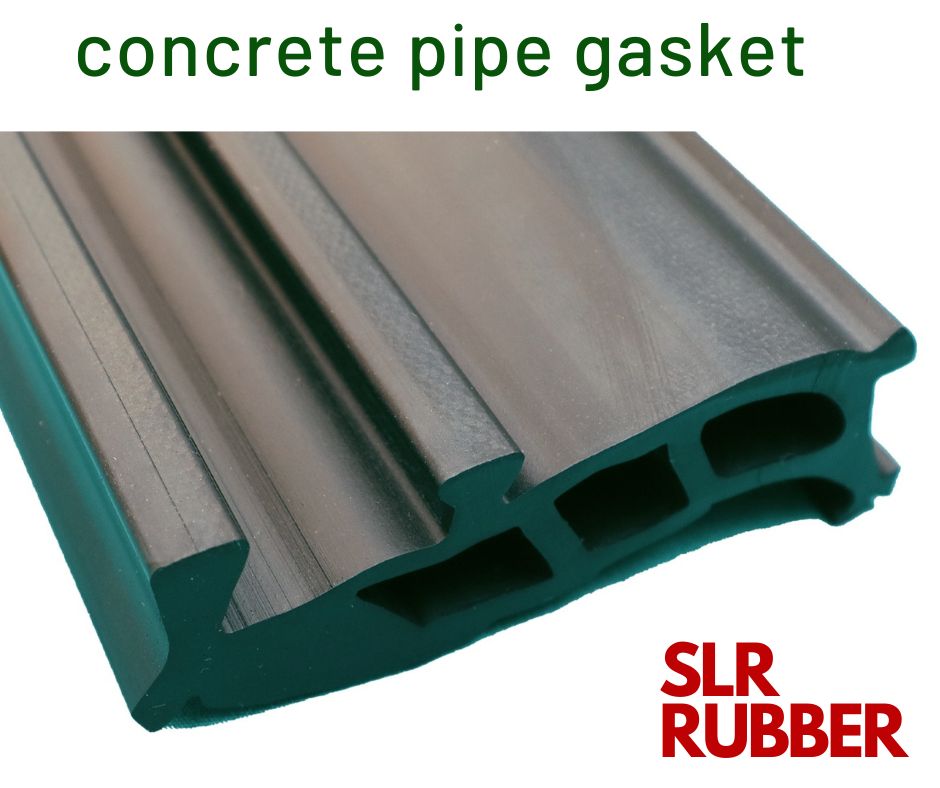
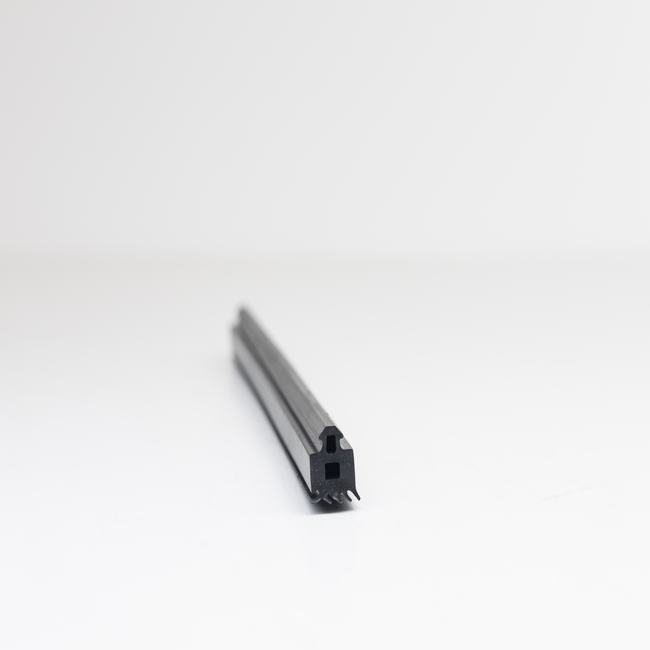
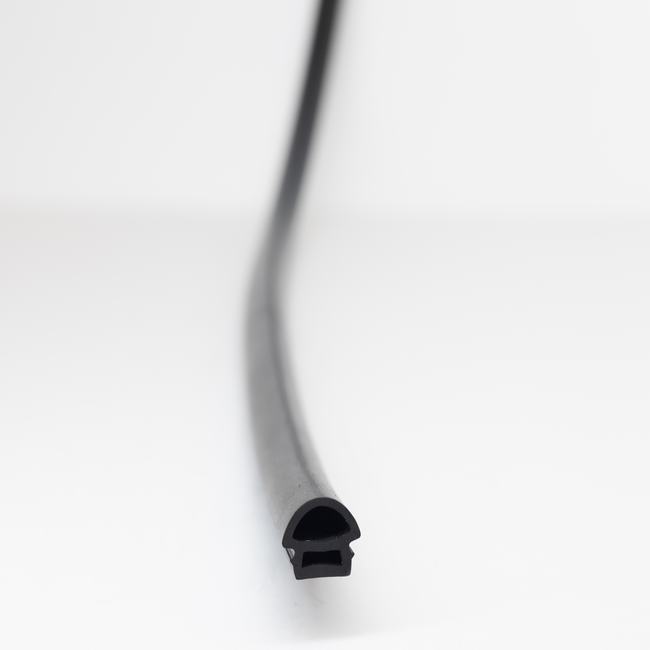
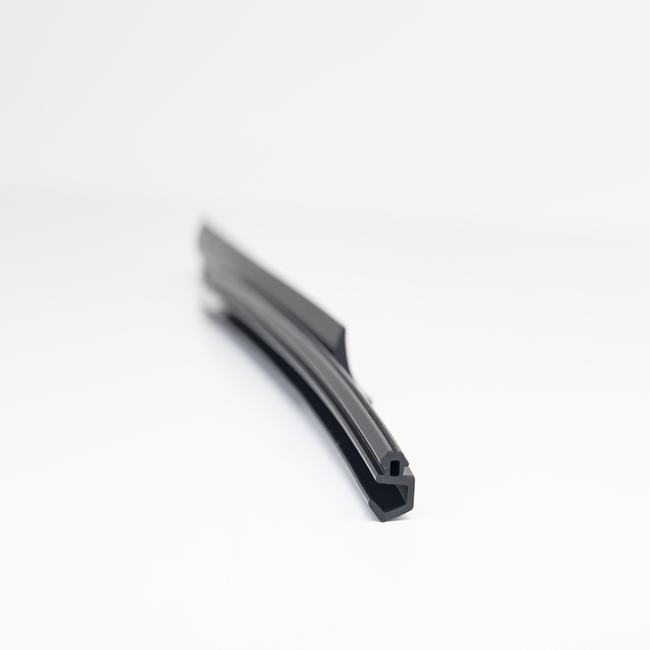
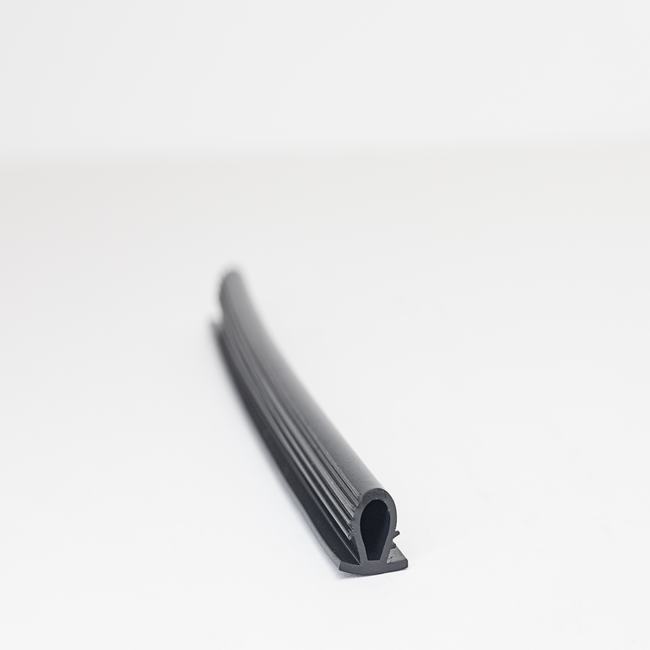
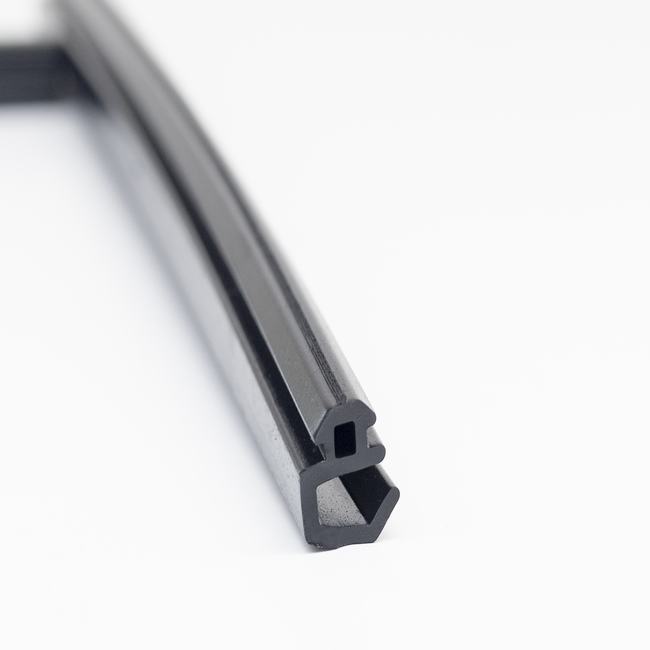
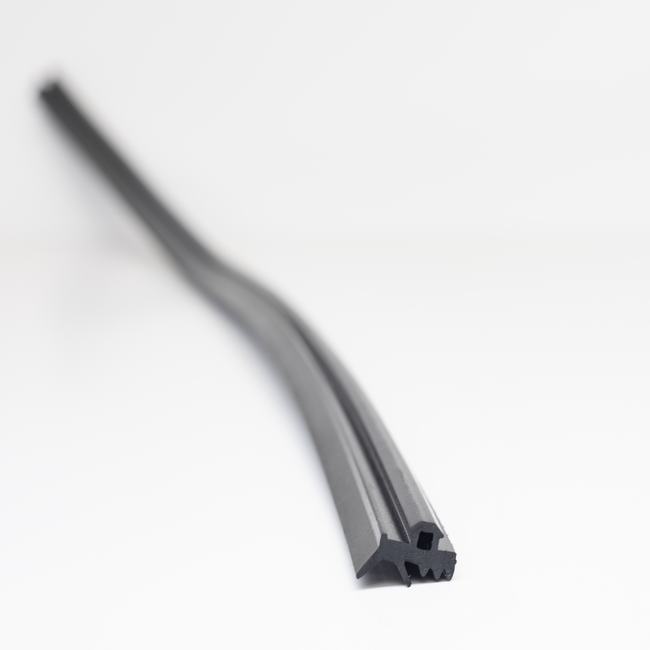
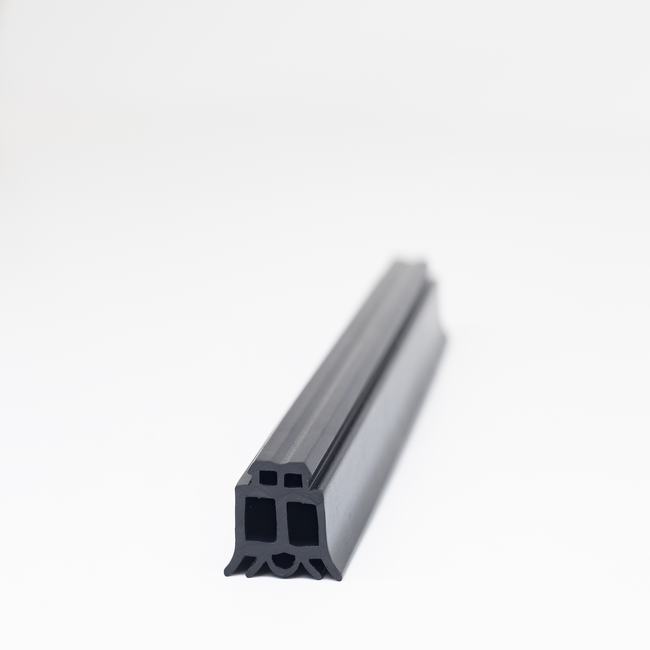
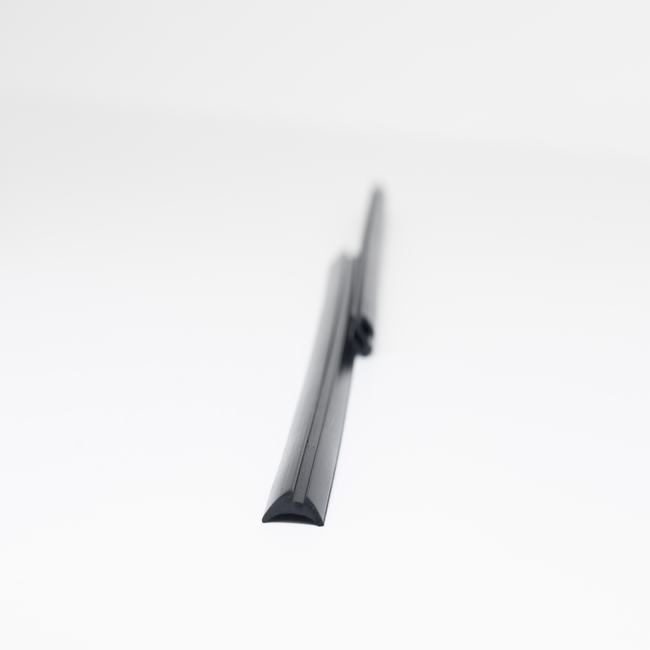
EPDM (Ethylene Propylene Diene Monomer) rubber seals and gaskets are widely used in various industries due to their excellent resistance to weathering, ozone, UV exposure, water, steam, and other environmental factors.
EPDM (Ethylene Propylene Diene Monomer) rubber seals and gaskets are widely used in various industries due to their excellent resistance to weathering, ozone, UV exposure, water, steam, and other environmental factors. Here's a breakdown of their characteristics and applications:
-
Chemical Resistance: EPDM rubber exhibits good resistance to many chemicals, acids, and alkalis, making it suitable for applications where exposure to various substances is common.
-
Weather Resistance: EPDM rubber seals and gaskets have outstanding weathering resistance, making them ideal for outdoor applications where they will be exposed to sunlight, rain, snow, and temperature fluctuations.
-
Temperature Range: EPDM rubber can withstand a wide temperature range, typically from -40°C to 120°C (-40°F to 248°F), making it suitable for both hot and cold environments.
-
Water and Steam Resistance: EPDM rubber maintains its integrity when exposed to water and steam, making it a popular choice for seals and gaskets in plumbing, HVAC systems, and automotive cooling systems.
-
UV Resistance: EPDM rubber is highly resistant to UV radiation, making it suitable for outdoor applications where prolonged exposure to sunlight is expected.
-
Electrical Insulation: EPDM rubber has good electrical insulation properties, which make it suitable for use in electrical enclosures, cable insulation, and other applications requiring electrical insulation.
-
Compression Set Resistance: EPDM rubber exhibits excellent compression set resistance, meaning it can maintain its shape and sealing properties even after being compressed over time.
-
Applications: EPDM rubber seals and gaskets find applications in various industries including automotive, construction, aerospace, marine, electrical, and HVAC. They are used in sealing doors, windows, hatches, trunks, and other openings in vehicles and buildings. They are also used in pipe fittings, pumps, valves, and other equipment requiring fluid sealing.
-
Manufacturing Processes: EPDM seals and gaskets can be manufactured using compression molding, injection molding, or extrusion processes, depending on the specific requirements of the application.
Overall, EPDM rubber seals and gaskets are valued for their durability, flexibility, and resistance to a wide range of environmental conditions, making them a preferred choice in many industries.