


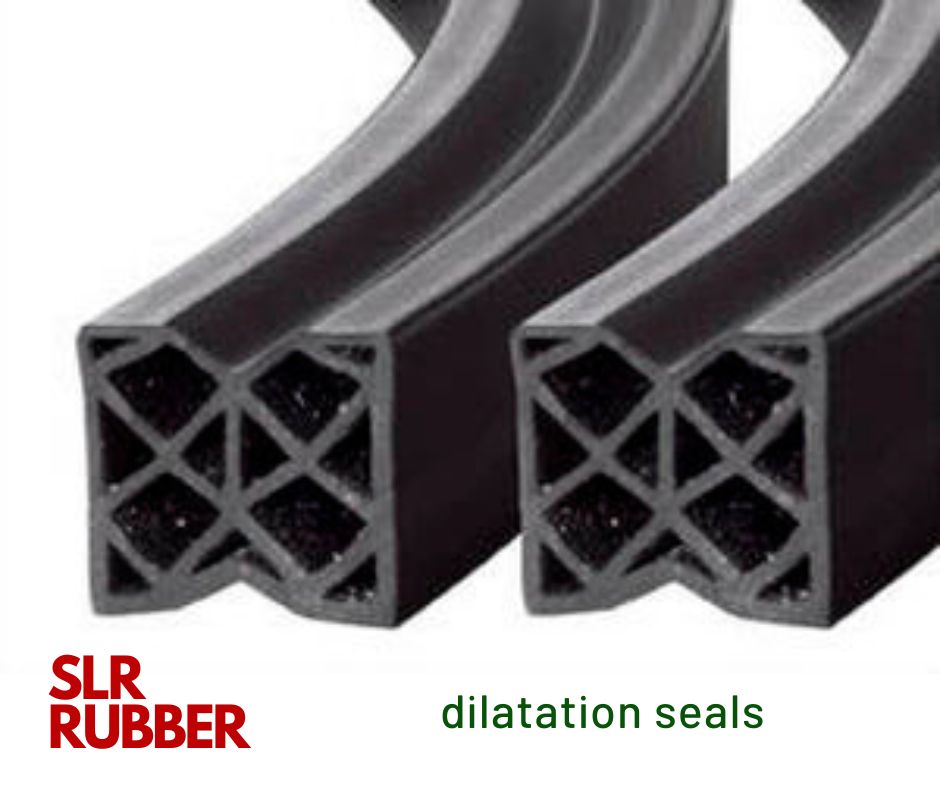
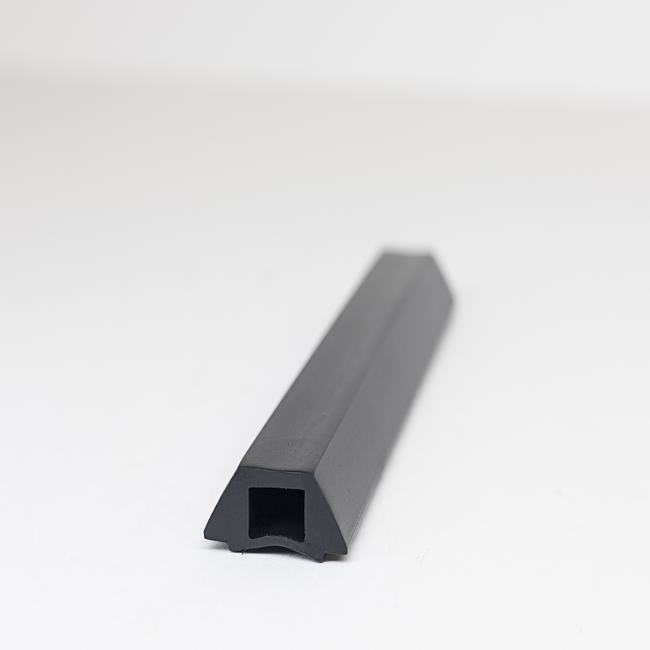
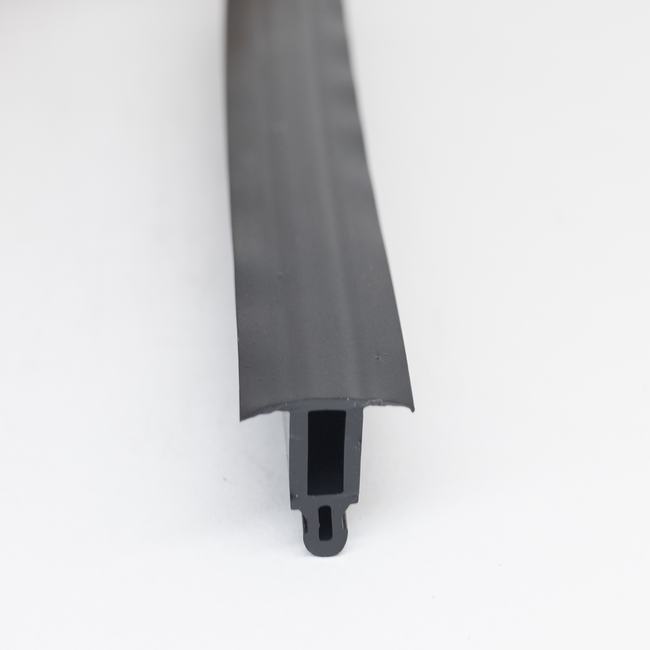
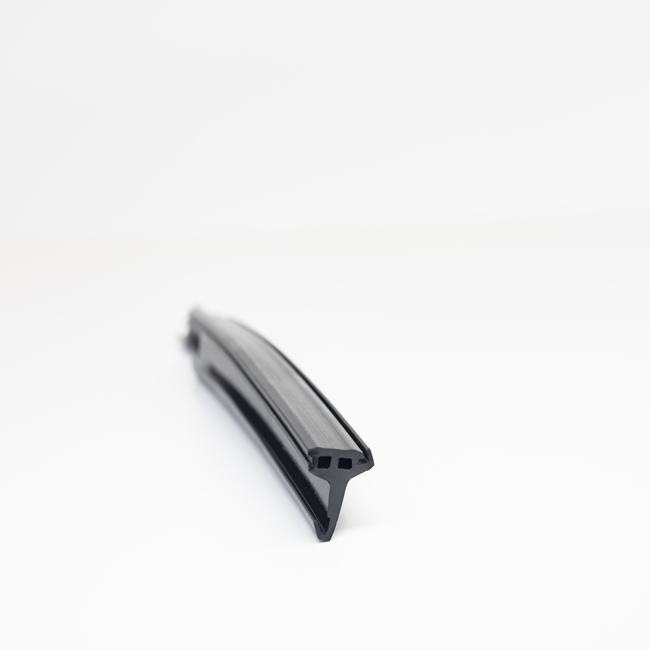
"Dilation seals" typically refer to devices used in various engineering applications to prevent leakage or ingress of fluids or gases between two components that have relative motion or displacement.
"Dilation seals" typically refer to devices used in various engineering applications to prevent leakage or ingress of fluids or gases between two components that have relative motion or displacement. These seals are designed to accommodate movement while maintaining a barrier between the two surfaces they separate.
There are various types of dilation seals, each suited to specific conditions and requirements:
-
O-ring Seals: O-rings are one of the most common types of dilation seals. They are circular elastomeric rings placed in a groove between two mating parts. When the parts are assembled, the O-ring compresses to form a seal, preventing leakage. They're used in a wide range of applications due to their simplicity and effectiveness.
-
Rotary Shaft Seals: These seals are used to prevent fluid leakage along rotating shafts. They typically consist of a flexible lip made of rubber or another elastomeric material that makes contact with the rotating shaft, creating a barrier to prevent fluid leakage.
-
Mechanical Seals: Mechanical seals are used in applications where traditional seals like O-rings may not be suitable, such as high-pressure or high-speed rotating equipment. They consist of two mating surfaces, one stationary and one rotating, that are held together by mechanical force to prevent leakage.
-
Expansion Joints: Expansion joints are used in piping systems to accommodate movement caused by thermal expansion, vibration, or settling. They consist of flexible elements that can expand, contract, or bend to allow movement while maintaining a seal.
-
Bellows Seals: Bellows seals are flexible, accordion-like components used to seal the joint between two parts that move relative to each other. They can accommodate axial, angular, and lateral movement while maintaining a seal.
-
Hydraulic Seals: Hydraulic seals are used in hydraulic systems to prevent fluid leakage between components such as cylinders and pistons. They come in various forms, including piston seals, rod seals, and wiper seals, each designed for specific applications and operating conditions.
Dilation seals play a critical role in ensuring the efficient and safe operation of various mechanical systems by preventing leakage and contamination. Choosing the right type of seal depends on factors such as operating conditions, pressure, temperature, and the type of fluids or gases being sealed.