



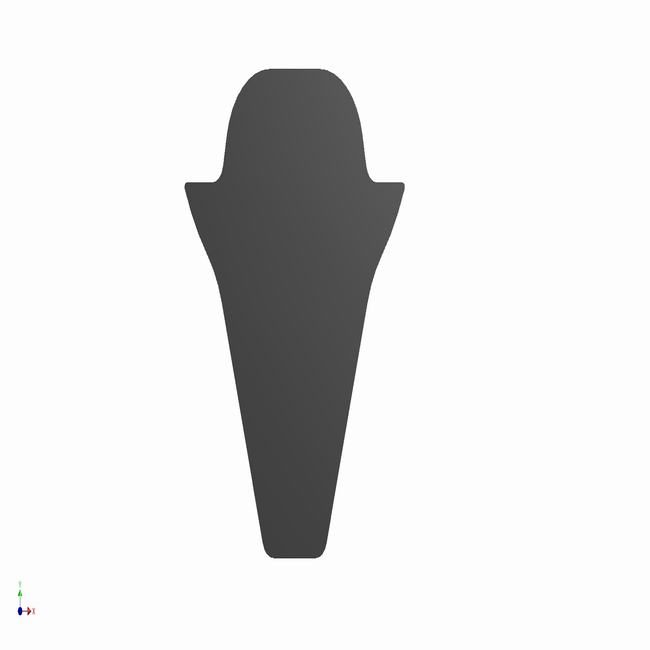
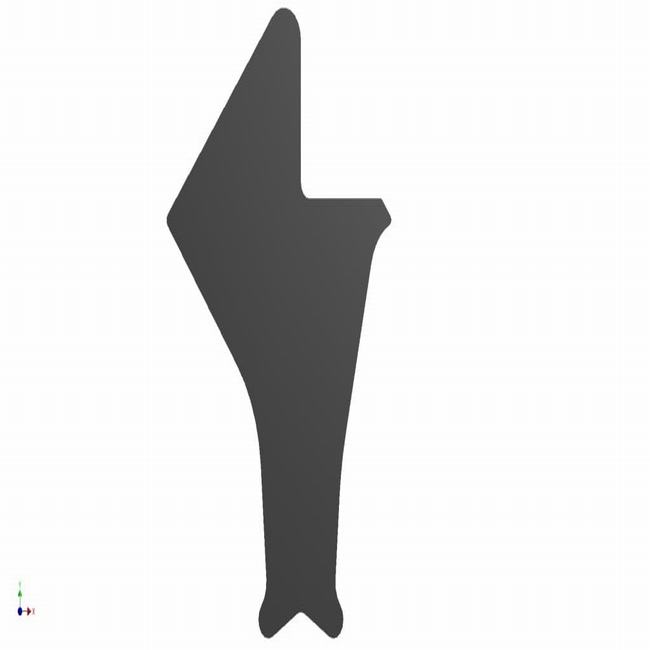
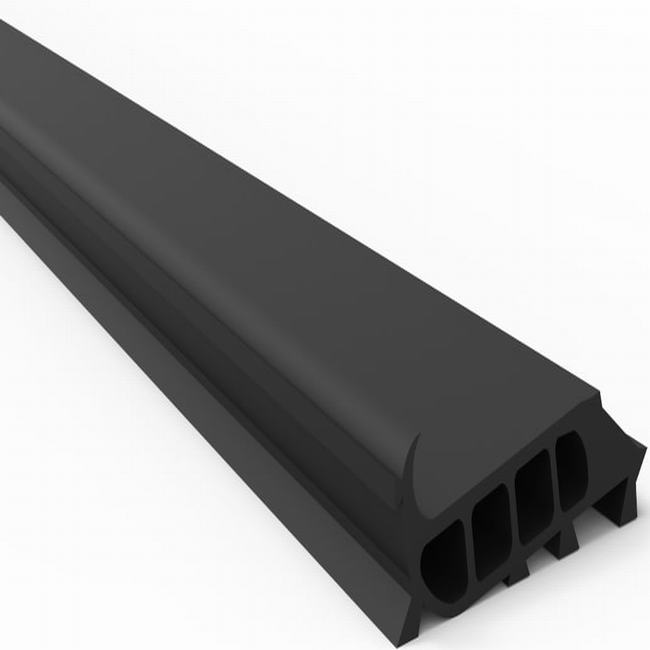
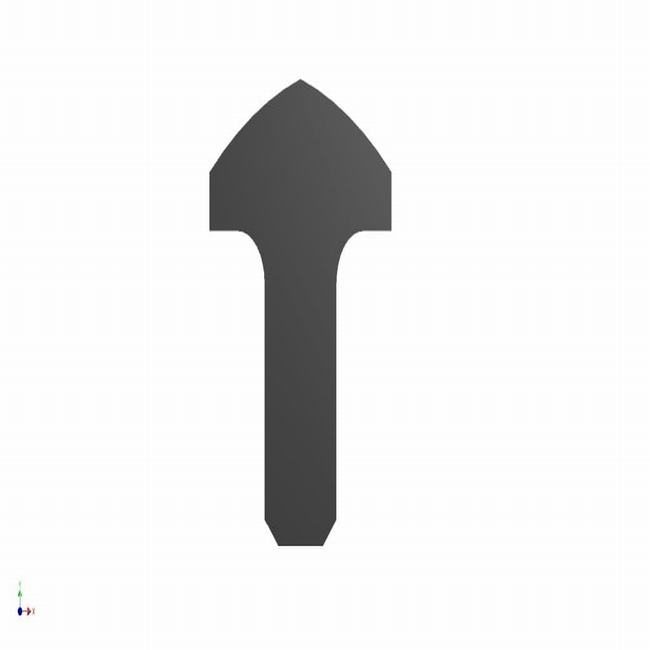
Concrete pipe seals are specialized components used in the construction and maintenance of concrete pipes.
Concrete pipe seals are specialized components used in the construction and maintenance of concrete pipes. These seals are crucial for ensuring the integrity and functionality of the pipe system by preventing leaks and maintaining structural stability. Here are some key points about concrete pipe seals:
-
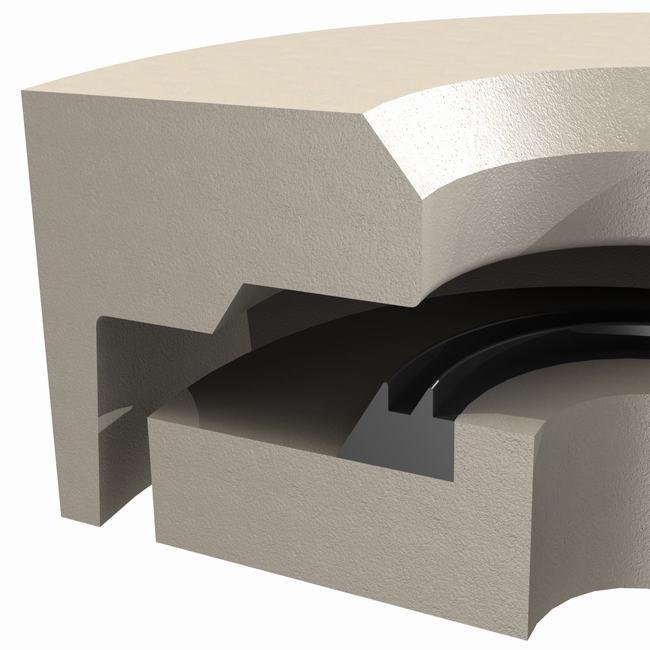
Purpose: The primary purpose of concrete pipe seals is to provide a watertight and secure connection between concrete pipes, fittings, or manholes. They help to prevent leakage of fluids such as water or sewage from the pipe joints.
-
Materials: Concrete pipe seals are typically made from rubber or elastomeric materials such as EPDM (ethylene propylene diene monomer), neoprene, or nitrile rubber. These materials offer flexibility, resilience, and resistance to various environmental conditions.
-
Types:
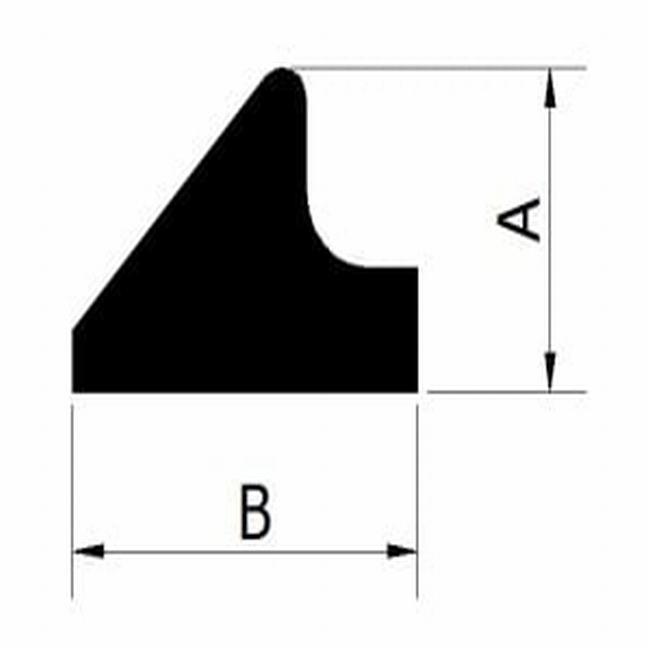
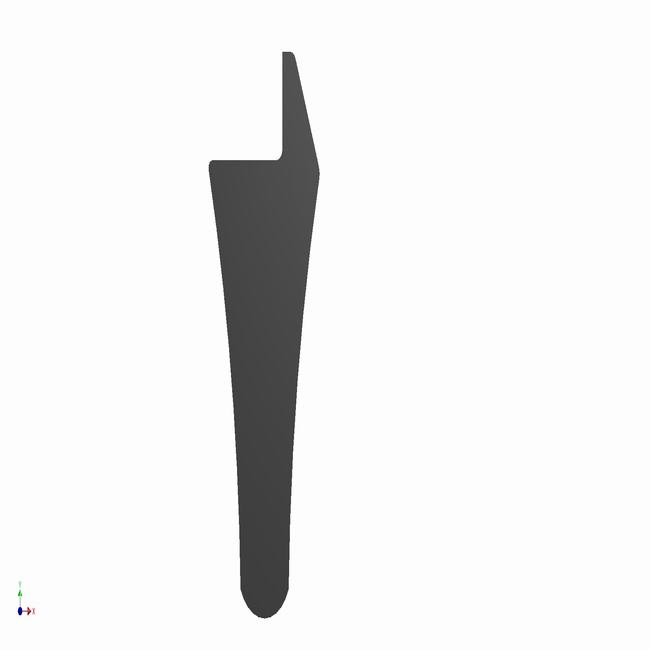
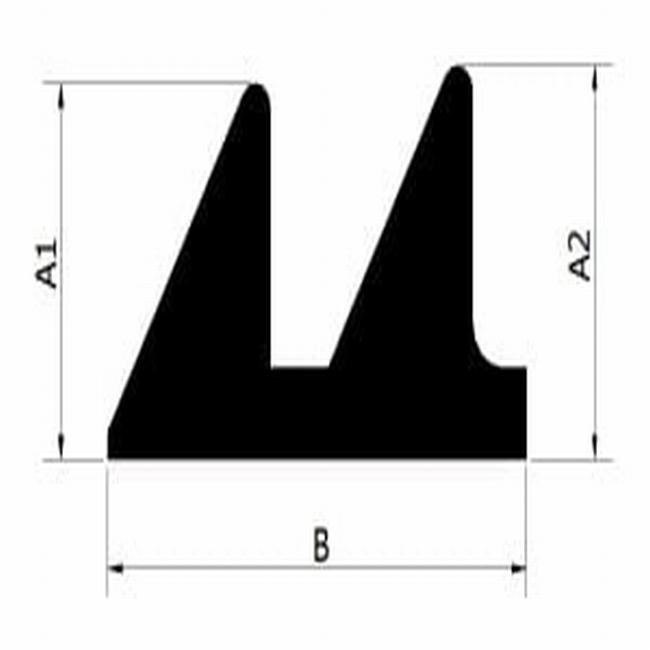
- Gasket Seals: These are ring-shaped seals placed within the joint between two concrete pipes or pipe sections. Gasket seals create a compression seal when the pipes are joined, preventing water or sewage from escaping.
- Mastic Seals: Mastic seals are applied as a viscous compound around the joint area before connecting the concrete pipes. They fill any irregularities in the joint surfaces and provide an additional layer of protection against leaks.
- Wraparound Seals: These seals are wrapped around the exterior of the joint between pipes or fittings and secured in place. They offer protection against infiltration and exfiltration of fluids.
- Mechanical Seals: Mechanical seals use clamps or locking mechanisms to secure the joint between concrete pipes. They provide a reliable and durable connection, often used in high-pressure or large-diameter pipe systems.
-
Installation: Proper installation of concrete pipe seals is essential to ensure effective sealing and long-term performance. Installation procedures may vary depending on the type of seal used, but generally involve cleaning and preparing the joint surfaces, applying lubricants or adhesives as needed, and securely positioning the seal within or around the joint.
-
Maintenance: Regular inspection and maintenance of concrete pipe seals are important to detect any signs of damage, wear, or deterioration. Damaged seals should be promptly replaced to prevent leaks and maintain the integrity of the pipe system.
Concrete pipe seals play a critical role in the performance and longevity of underground pipe networks for various applications, including drainage, sewer systems, and culverts. Proper selection, installation, and maintenance of seals are essential for ensuring the efficient and reliable operation of these infrastructure systems.